
Introduction
In an age where home safety is paramount, the significance of robust security measures cannot be overstated. This article explores the ways you can upgrade your home security by utilizing the expertise of a residential locksmith. With increasing concerns around break-ins and safety, understanding how to enhance your home security system is essential. A residential locksmith can provide a range of services tailored to your specific needs, ensuring that your home remains a safe haven for you and your loved ones.
The Importance of Home Security
Home security is not just about protecting possessions; it is about safeguarding your peace of mind. A secure home provides a sense of comfort and safety, allowing individuals and families to live without the constant fear of intrusion. As crime rates fluctuate, investing in home security systems becomes increasingly crucial. A well-secured home can deter potential burglars and provide reassurance that your living space is protected.
The psychological benefits of a secure home extend beyond mere safety. A strong security presence can reduce anxiety and foster a more relaxed environment, encouraging families to thrive. Moreover, effective home security can also result in lower home insurance premiums, presenting a financial incentive alongside the security benefits.
Why Choose a Residential Locksmith?
Residential locksmiths specialize in home security, offering tailored solutions that appeal to a variety of needs. Unlike general locksmiths, they focus on residential properties and are well-versed in the latest security technologies and lock systems. Engaging a residential locksmith ensures that you receive expert advice and services that are specifically designed to protect your home.
Moreover, a residential locksmith can provide peace of mind by ensuring that your locks are installed correctly and functioning optimally. Their expertise extends beyond traditional lock installation; they can recommend advanced security measures that suit your lifestyle, such as smart locks and access control systems. By choosing a residential locksmith, you invest in the safety and longevity of your home’s security systems.
Assessing Your Current Security Measures
Conducting a Security Audit
A security audit also includes reviewing your home’s perimeter. Are there overgrown shrubs or trees that obstruct visibility? Is your property well-lit during nighttime hours? Addressing these factors can significantly improve your home’s security profile. Additionally, consider the habits of your household; do family members routinely leave doors unlocked? Understanding these behaviors can inform further security adjustments.
Identifying Vulnerabilities in Your Home
Once you’ve conducted a security audit, the next step is to pinpoint specific vulnerabilities. Look for entry points that may be weak, such as sliding glass doors or poorly secured windows. Assess whether your locks meet current security standards; older locks may not provide adequate protection against modern break-in techniques. This evaluation will guide you in making informed decisions about which areas need strengthening.
It is also crucial to consider your neighborhood’s safety concerns. Research local crime statistics and trends; if your area has a higher prevalence of break-ins, it may be wise to invest in additional security measures. Engaging with neighbors can provide insights into common threats and help foster a community approach to safety.
Understanding the Services Offered by a Residential Locksmith
Lock Installation and Replacement
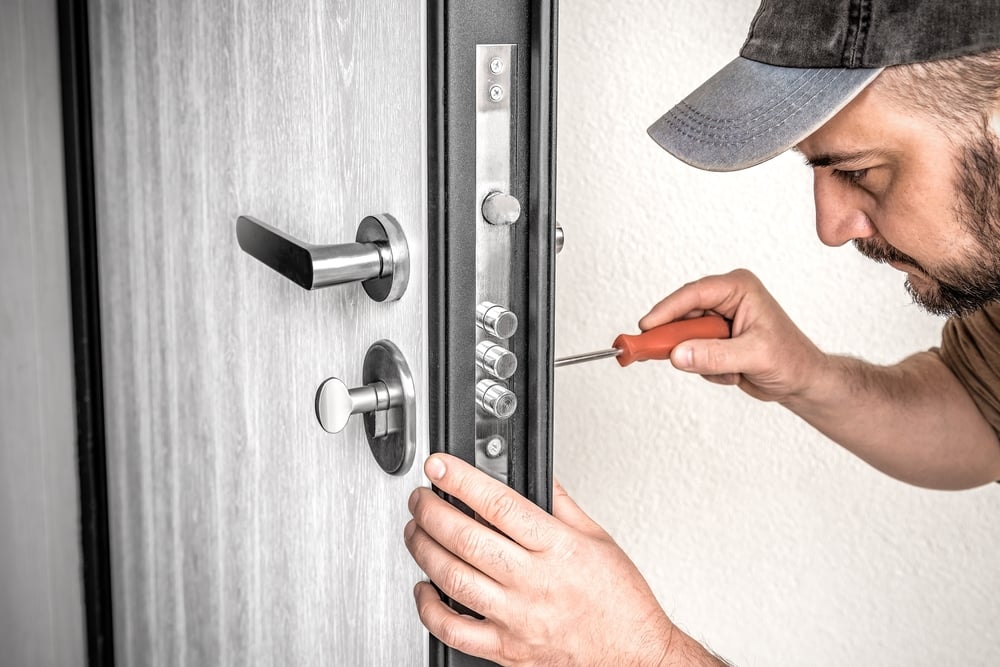
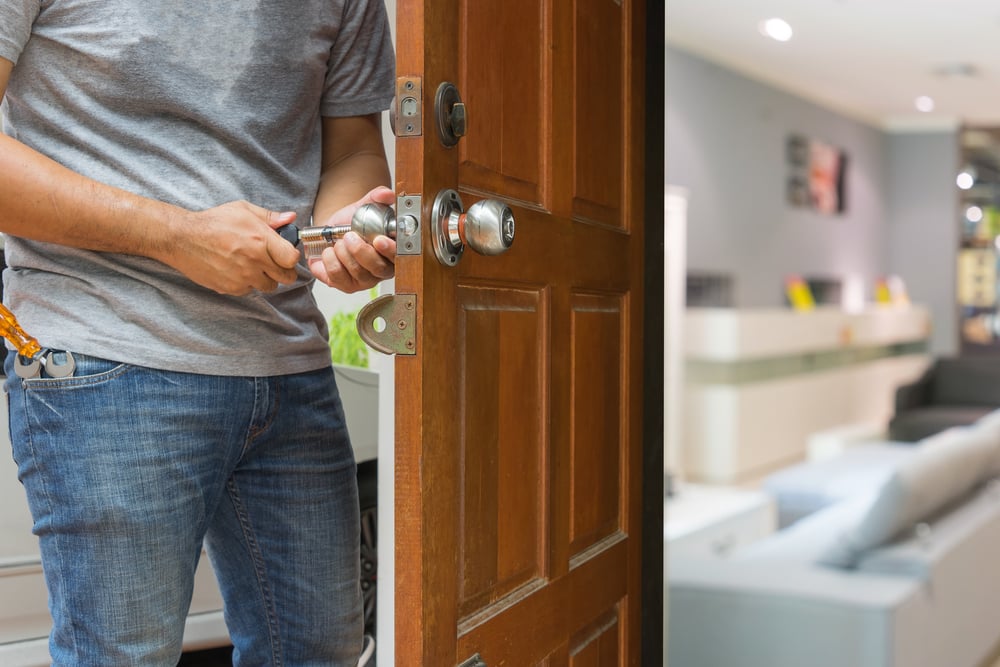
The primary service offered by residential locksmiths is lock installation and replacement. When moving into a new home, it is essential to change the locks to ensure that previous occupants or others do not have access. A locksmith can recommend high-quality locks that comply with current security standards and install them with precision.
In addition to replacements, locksmiths can install additional locks for added security. For instance, consider deadbolts for exterior doors to provide an extra layer of protection. A locksmith can also assess the best locations for locks, ensuring that your home is secure from all potential entry points.
Rekeying Existing Locks
If you prefer not to replace your locks entirely, rekeying may be a suitable option. This process involves changing the internal components of a lock, rendering old keys ineffective. Rekeying is particularly beneficial after losing a key or when moving into a new home. It is a cost-effective way to enhance security without the need for complete lock replacement.
Rekeying allows homeowners to maintain their existing hardware while improving security swiftly. A locksmith can provide this service efficiently, ensuring that your new keys are functional and your security is intact.
Installation of Smart Locks
With advancements in technology, smart locks have become an increasingly popular choice for homeowners. These locks offer keyless entry systems that can be controlled via smartphones or other smart devices. A residential locksmith can assist in selecting the right smart lock for your needs and ensure proper installation for optimal functionality.
Smart locks provide various benefits, including enhanced convenience and security features like remote access, temporary keys, and activity logs. They can be integrated into broader home automation systems, allowing homeowners to manage all aspects of their home security from one platform. Consulting a locksmith about smart lock options can help you transition to modern security solutions seamlessly.
High-Security Lock Options
For those seeking the highest level of protection, high-security locks offer robust resistance against picking, drilling, and other forced entry methods. These locks are designed with advanced mechanisms and often come with restricted key access, ensuring that keys cannot be easily duplicated. A residential locksmith can guide you through the selection of high-security options, ensuring that your home receives optimal protection.
High-security systems often include features such as hardened steel bolts and reinforced strike plates, which provide additional security against break-ins. Investing in these advanced locks is a proactive measure to safeguard your home, especially in areas prone to criminal activity.
Choosing the Right Locks for Your Home
Types of Locks: Pros and Cons
When selecting locks for your home, understanding the various types available is crucial. Common lock types include deadbolts, knob locks, rim locks, and smart locks. Each has its advantages and disadvantages based on security levels, ease of use, and installation requirements. For instance, deadbolts provide a high level of security but may require additional installation time and expertise.
Knob locks are common but typically serve as secondary security measures. Their ease of installation makes them appealing, but they often lack the strength of deadbolts. By assessing the specific needs of your home and family, you can make informed choices about which locks will provide the best protection.
Deadbolts vs. Spring Bolt Locks
Deadbolts are often regarded as the gold standard for residential security. Unlike spring bolt locks, which can be easily manipulated, deadbolts use a solid metal bolt that extends into the door frame, providing enhanced resistance against forced entry. When choosing locks for exterior doors, deadbolts are generally recommended for optimal security.
Spring bolt locks, while convenient for internal doors, should not be relied upon for primary entry points. They are easier to bypass and do not offer the same level of protection as deadbolts. Therefore, it is advisable to prioritize deadbolts for main entryways while reserving spring bolts for less critical access points.
Enhanced Security Features to Consider
Keyless Entry Systems
Keyless entry systems have gained popularity due to their convenience and security features. These systems allow homeowners to enter their properties using codes or biometric data instead of traditional keys. This technology eliminates the risk of losing keys and provides a means of granting access to visitors without the need to physically hand over a key.
Keyless entry systems can be integrated into home automation platforms, allowing for seamless control over many aspects of home security. Homeowners can easily manage access codes and monitor entry points from their smartphones, ensuring peace of mind and greater control over home security.
Access Control Systems
Access control systems provide an advanced level of security by managing who can enter your home and when. These systems may include electronic keypads, card entry systems, or biometric fingerprint readers. For larger homes or households with multiple occupants, access control systems can ensure that only authorized individuals gain entry.
These systems can also be programmed to allow temporary access for visitors or service personnel, providing flexibility without compromising security. A residential locksmith can assist in evaluating the best access control solutions for your home, ensuring that you choose a system that meets your specific needs.
Security Cameras and Monitoring Solutions
Incorporating security cameras and monitoring solutions adds another layer of protection to your home. Residential locksmiths can recommend and install high-quality surveillance systems that allow homeowners to monitor their properties both in real-time and via recorded footage. These systems can deter potential threats and provide valuable evidence in the event of a security breach.
Modern security cameras come with features such as motion detection, night vision, and remote access, allowing homeowners to stay connected to their properties at all times. Implementing these technologies can significantly enhance your home’s overall security strategy and provide additional peace of mind.
Tips for Working with a Residential Locksmith
Finding a Reputable Locksmith
When seeking to enhance your home security, finding a reputable residential locksmith is vital. Look for locksmiths who are licensed, insured, and possess strong customer reviews. Recommendations from friends and family can also provide valuable insights into trustworthy professionals in your area.
Additionally, it is essential to ensure that the locksmith has experience with residential properties and understands the specific security needs associated with them. A good locksmith will be willing to answer your questions and provide detailed information about their services, ensuring that you feel confident in their expertise.
Preparing for Your Locksmith Appointment
Before your locksmith appointment, it is beneficial to prepare a list of questions and concerns you may have regarding your home’s security. Take note of any specific issues you have encountered and be ready to describe your current security measures. The more information you provide, the better the locksmith can tailor their recommendations to your needs.
Additionally, ensure that the areas requiring attention are easily accessible for the locksmith. Having a clear understanding of your expectations will help streamline the process and allow for a more productive discussion about potential security upgrades.
Questions to Ask Your Residential Locksmith
During your consultation with a residential locksmith, asking the right questions can help you make informed decisions. Inquire about the types of locks they recommend and the advantages of each option. Understanding the installation process, maintenance requirements, and warranty policies will also be beneficial.
Furthermore, don’t hesitate to discuss any concerns you may have about security trends in your area or ask for recommendations on additional security features. A knowledgeable locksmith should be able to address your questions and provide valuable insights tailored to your home.
Long-Term Home Security Solutions
Regular Maintenance of Locks and Security Systems
Investing in home security is not a one-time event but an ongoing process. Regular maintenance of locks and security systems is crucial to ensure optimal performance. Periodically check the condition of your locks and replace any that show signs of wear or damage. A residential locksmith can help with routine inspections and address any potential issues before they become significant problems.
Additionally, staying updated on the latest security technology and trends can help you adapt your home security strategy as needed. Regularly reviewing your security measures will ensure that you remain vigilant and proactive in protecting your home.
Staying Informed About Security Trends
Being informed about new security technologies and trends is essential for maintaining a robust home security system. Follow reputable sources in the security industry, engage in community discussions, and consider attending local safety seminars. This knowledge can help you stay ahead of potential threats and make informed decisions about upgrades to your home security.
Moreover, participating in neighborhood watch programs or online community forums can provide insights into local safety concerns and enhance your awareness of emerging security threats. A proactive approach to home security will always serve you well.
Conclusion
Investing in Your Home’s Security
Upgrading your home security with the help of a residential locksmith is a crucial step in ensuring the safety of your family and property. From conducting a thorough security audit to selecting the appropriate locks and security features, the expertise of a locksmith can make a significant difference. Investing time and resources into enhancing your home security will yield long-term benefits, providing peace of mind and protecting your most valuable assets.
Contact M&H Locksmith for Expert Services
For comprehensive home security solutions tailored to your needs, consider reaching out to M&H Locksmith. Our experienced professionals are equipped to assist with all your residential locksmithing needs, ensuring your home remains secure and protected. Together, we can enhance your home security and safeguard your peace of mind.